
Darwin Real Estate Glossary 2026: Key Property Terms Every Buyer & Seller Must Know

Darwin homeowners, buyers and investors — real estate can feel confusing, especially when you’re hearing terms like “cooling-off period”, “yield” or “body corporate” thrown around.
The truth is, understanding these terms isn’t just helpful — it can directly impact your decisions and your money.
Whether you’re selling in Darwin, buying in Palmerston, or investing across suburbs like Zuccoli, Muirhead or Wanguri, this glossary is designed to simplify everything in plain English.
This guide is built specifically for the Darwin and Palmerston market, so you’re not just learning definitions — you’re understanding how they apply locally.
Why Understanding Real Estate Terms Matters in Darwin

Darwin is a unique property market compared to other Australian cities.
Higher rental yields
Different buyer behaviour
More off-market opportunities
Strong investor presence
Because of this, misunderstanding key terms can lead to:
Overpaying or underselling
Accepting poor contract terms
Losing negotiation power
Knowledge = leverage
A–C: Core Property Terms
Appraisal
An estimate of your property’s current value based on recent sales and buyer demand in Darwin.
“How much is my house worth in Darwin”
https://atrealtydarwin.com/darwin-property-insights/b/how-much-is-my-house-worth-darwin-2026
Agent Commission
The fee paid to your real estate agent for selling your property (commonly 1.5%–3.5% in Darwin).
Auction
A public bidding process. Less common in Darwin compared to Sydney or Melbourne.
Body Corporate
An organisation managing shared areas in units/apartments — very common in Darwin city and coastal suburbs.
Building Inspection
A professional report identifying structural or maintenance issues before purchase.
Cooling-Off Period
In the Northern Territory, buyers typically get 4 working days to withdraw from a contract.
D–F: Financial & Legal Terms

Deposit
Usually around 10% of the purchase price, paid once contracts are signed.
Days on Market (DOM)
The number of days a property stays listed before selling.
In Darwin: approx. 30–50 days, depending on pricing and demand
Finance Clause
A condition allowing buyers time (usually 21 days) to secure loan approval.
Freehold
Full ownership of both land and property.
G–L: Market & Investment Terms
Gross Rental Yield
Annual rental income divided by property price.
Darwin often delivers 5%–7% yields, higher than many capital cities
Market Value
The price a buyer is willing to pay today — not what the owner expects.
Median Price
The midpoint of all sales in a suburb (used to track market trends).
Mortgage
A loan used to purchase property.
M–R: Selling & Negotiation Terms

Off-Market Sale
A property sold without public advertising.
Common in Darwin for quiet, strategic sales
Open Home
Scheduled inspection for buyers
Offer
A buyer’s proposed price and conditions
Property Settlement
The final stage where ownership transfers
Reserve Price
Minimum price seller will accept at auction
S–Z: Key Practical Terms
Stamp Duty
Government tax paid by buyers
Suburb Report
Detailed data on prices, demand and trends
https://atrealtydarwin.com/darwin-property-insights/b/wanguri-darwin-property-market-stats-2026
https://atrealtydarwin.com/darwin-property-insights/b/coconut-grove-suburb-report-darwin-2026
Title
Legal ownership document
Vacant Possession
Property is handed over empty
Vendor
The seller
Darwin-Specific Terms (Very Important)
DHA Property
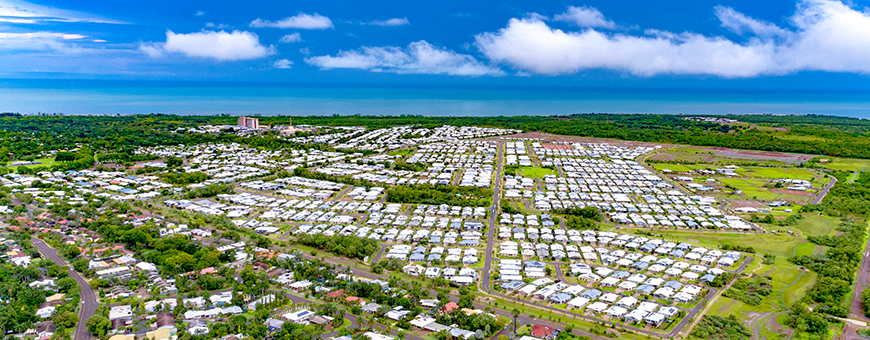
Leased through Defence Housing Australia
Offers stable rent but restrictions for owner-occupiers
Rent Review
Often reviewed annually (especially DHA properties)
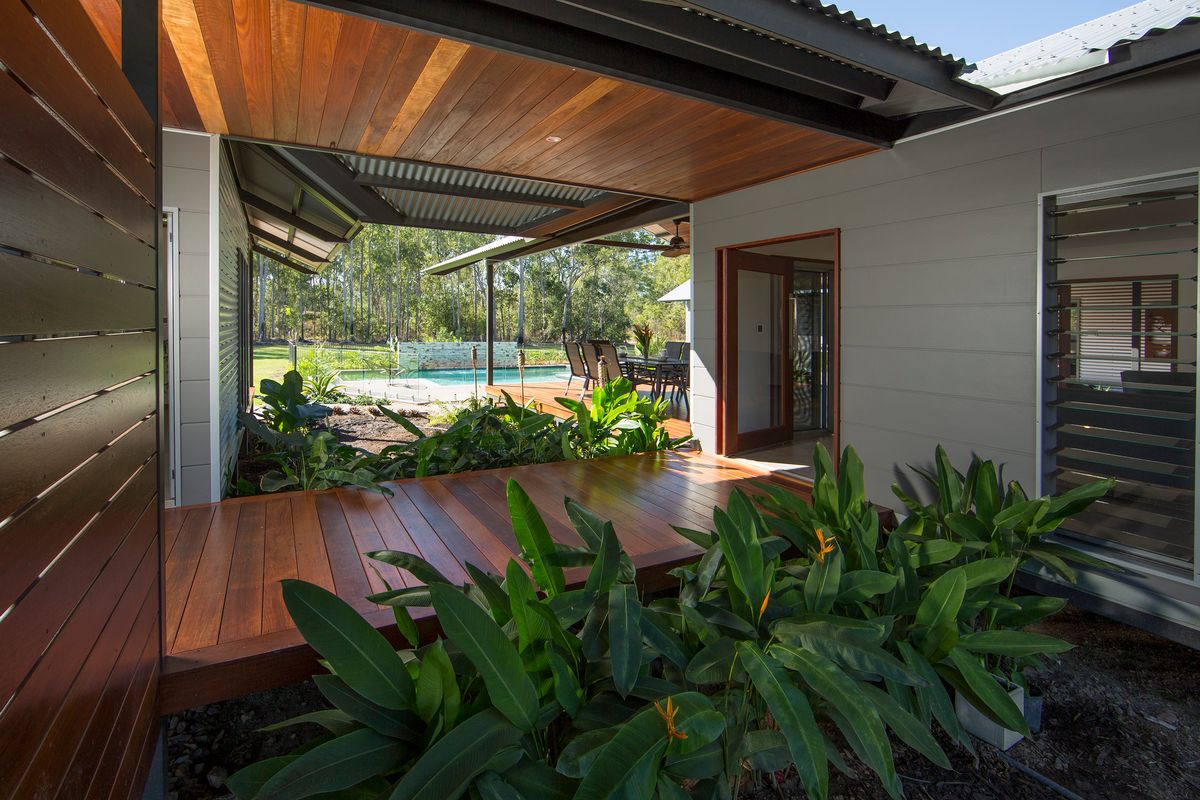
Tropical Design
Homes built for Darwin climate:
Elevated structures
Airflow-focused
Outdoor living
FAQ
What is the cooling-off period in Darwin?
Typically 4 working days after signing a contract.
What is a good rental yield in Darwin?
Around 5%–7%, depending on property and suburb.
What does days on market mean?
The time a property stays listed before selling.
What is an off-market sale?
A property sold privately without public advertising.
What is the difference between appraisal and valuation?
Appraisal = agent estimate
Valuation = formal bank assessment
If you want clarity on any of these terms or your own property situation in Darwin or Palmerston, feel free to reach out.
Khem Gurung
0451 096 881
[email protected]