
When Is the Best Time to Sell in Darwin?

When Is the Best Time to Sell in Darwin?
Short answer: for many Darwin sellers, the strongest presentation window is usually the Dry season, especially May to September, because the weather is milder, humidity is lower, and the Top End is in its peak visitor period. But in 2026, there is an important twist: Darwin is also dealing with very low stock levels, fast selling times, tight rental conditions, and strong price growth, which means well-positioned homes can still perform strongly outside the traditional peak window.
Why timing matters more in Darwin than in many other cities
Darwin does not behave like Sydney or Melbourne. It has two clear seasons rather than four: a Dry season from roughly May to October and a Wet season from roughly November to April. That matters because weather affects presentation, inspections, photography, lifestyle appeal, and buyer comfort more directly in the Top End than in southern capitals. The Dry season is also the most popular period for visitors to explore the region, helped by lower humidity and typical daytime temperatures around 21°C to 32°C.
For sellers, that usually means homes look cleaner, gardens are easier to maintain for open homes, buyers are more willing to inspect, and interstate interest tends to be easier to convert when Darwin is showing its best lifestyle side. That is an inference from the weather and visitor-season pattern rather than a direct published sales rule, but it is a grounded one.
The 2026 market makes timing more nuanced
If this were a softer market, the answer would be simpler: wait for the Dry. But Darwin in early 2026 is not soft. Darwin’s dwelling values were up 19.7% annually in January 2026, with a median value of about $602,870, while Darwin homes were selling in a median of around 32 days over the three months to January 2026. Listings have also been described as falling by almost 40% over the past year, which means sellers are dealing with unusually tight supply.
At the same time, Darwin’s rental market remains very tight. Vacancy was reported at 0.8% in January 2026 by Open Agent and 0.6% in February 2026 by SQM Research coverage, while asking rents were around $661 per week and median advertised rent was reported at a record $650 per week. Tight rentals and strong yields have supported investor demand.
That combination means there is not one perfect month. In 2026, the better answer is this: the best time to sell is when your property is ready, your pricing is right, and your strategy matches current demand. The Dry season usually improves presentation and buyer comfort, but very low stock can make off-season launches work too.
Best months to sell in Darwin
Best overall window: May to September
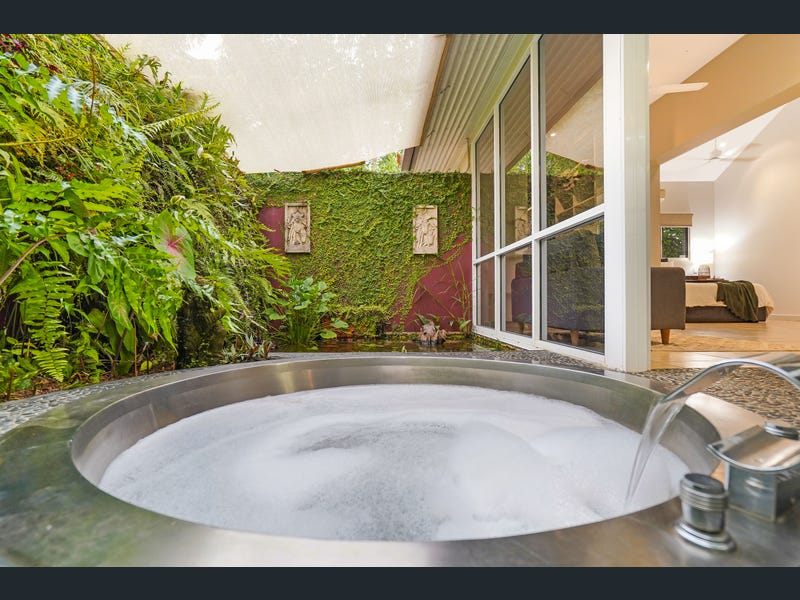
For most owner-occupiers, May to September is the strongest all-round selling window. This is when Darwin typically has dry, sunny weather, lower humidity, and peak Top End visitation. Homes usually photograph better, open homes are more comfortable, and lifestyle features such as outdoor entertaining, pools, verandahs and tropical gardens are easier to showcase.
Best balance of presentation and urgency: May to July
If your home presents well and you want to catch buyers early in the Dry, May to July can be especially strong. Early Dry season often combines improved weather with buyers who are eager to act before more stock hits the market later in the season. This is an inference based on Darwin’s seasonal conditions and current low-stock market dynamics.
Strong but more competitive: August to September
August to September can still be excellent, but you may face more competition from other sellers who also wait for the Dry. In a market with thin listings this may not hurt much, but if stock rises later, pricing and presentation become even more important.
Wet season: not always bad
The Wet season is not automatically a bad time to sell. In fact, if listings remain exceptionally low, launching in the Wet can sometimes help your property stand out simply because buyers have less choice. The trade-off is that humidity, storms and presentation challenges can make inspections and outdoor appeal harder. In 2026, because Darwin remains a rising, supply-constrained market, a good home with smart pricing can still perform well in the Wet.
What the latest Darwin stats suggest?
Darwin has been one of the country’s stronger recent performers. OpenAgent’s January 2026 market update reported Darwin annual dwelling-value growth of 19.7%, while Palmerston was reported at an even stronger 27.5% annual change with a median value around $634,104. Cotality’s January chart pack also described Darwin dwelling values as being at a record high.
Sales momentum has also been solid. OpenAgent reported Darwin sales volumes rising 50.3% year-on-year in the most recent national release, and median selling time over the three months to January 2026 sitting at 32 days. That is consistent with a market where good properties do not need to wait for a “perfect season” if they are launched well.
Broader demand support is there too. The NT economy outlook expects population growth of 1.4% in 2024–25, and the NT Economy labour-market update reported Greater Darwin employment up 1.8% over the year to January 2026, with a 74.7% participation rate and unemployment of 3.8% in Greater Darwin. Population growth, jobs and high participation help support housing demand.

So when should you sell?
For most Darwin homeowners, the practical answer is:
Sell in the Dry season if your property benefits from outdoor appeal, lifestyle presentation, and broad buyer competition.
Sell as soon as you are ready if local stock is still very low and your home is likely to compete strongly on price and presentation.
Do not wait only for a season if holding costs, your next move, or buyer demand in your suburb suggest acting now is smarter.
That recommendation is an inference drawn from the current market data, seasonal conditions, and selling-time trends.
How Darwin homeowners can improve their timing
The best launch date is not just about month. It is about preparation.
Start by checking:
how much stock is competing with you right now
whether your suburb is seeing fast sales or slower buyer response
whether your home shows best in the Dry or can still stand out year-round
whether your next move makes selling now or later financially smarter
In a low-supply market, preparation often matters more than waiting. In other words, a well-presented, well-priced property launched in a constrained market can outperform a better-season launch done with weak strategy. That conclusion is consistent with the current Darwin supply and sales data.
FAQ: Best time to sell in Darwin
1. What is the best month to sell in Darwin?
Usually somewhere in the Dry season, often between May and September, when weather and buyer inspection conditions are stronger.
2. Is the Wet season a bad time to sell in Darwin?
Not necessarily. In a tight-supply market, low competition can still work in your favour, although presentation and open-home conditions can be harder.
3. Are Darwin prices still rising in 2026?
Recent data points to strong growth, with Darwin annual dwelling-value growth around 19.7% in January 2026 and values at record highs in Cotality’s January chart pack.
4. How fast are homes selling in Darwin?
OpenAgent reported a median selling time of around 32 days over the three months to January 2026.
5. Why is timing less important in a low-stock market?
Because when listings are scarce, buyers have fewer options, so well-positioned homes can attract strong attention even outside the traditional peak season. Darwin listings were reported down almost 40% year-on-year.
6. What is driving buyer demand in Darwin right now?
Low stock, tight rental conditions, strong rents, investor demand, population growth and employment support are all part of the picture.
7. Is Palmerston in a similar position?
Yes. Palmerston was reported by OpenAgent as the strongest local submarket in January 2026, with annual change around 27.5%.
8. Should I wait for more rate cuts before selling?
There is no guaranteed advantage in waiting. Rising or falling rates affect buyers, but local stock, suburb demand and your property’s presentation often matter more in Darwin’s small market. Recent coverage suggests higher rates could slow growth, but constrained supply may keep markets like Darwin outperforming in the short term.
9. Do interstate buyers matter in Darwin?
Yes. Darwin’s relative affordability and rental yields have made it attractive to interstate investors and value-focused buyers.
10. What should I do before choosing a sale date?
Get a pricing guide, review competing listings, estimate selling costs, and decide whether an off-market or on-market launch suits current conditions best. This is strategic advice rather than a published statistic, but it follows directly from the market conditions above.
“estimate your selling costs”
https://atrealtydarwin.com/darwin-property-insights/b/darwin-selling-cost-calculator-guide
“Darwin property market update, What's my Darwin Home worth?”
https://atrealtydarwin.com/darwin-property-insights/b/how-much-is-my-house-worth-darwin-2026
“should you upsize or downsize in Darwin”
External Source.
Relevant sources such as:
https://www.bom.gov.au/ for Bureau of Meteorology for Darwin climate/seasons
https://www.cotality.com/au for Cotality/CoreLogic for housing-market trend context
https://sqmresearch.com.au/ for SQM Research for vacancy/listings context
realestate.com.au for buyer-behaviour and market reporting
https://nteconomy.nt.gov.au/ for NT Economy for population and employment context
Thinking of selling in Darwin or Palmerston?
Get a free guide to understand your likely value, estimated costs, and the strategy that may suit your property best.